
What is Buy Now Pay Later?
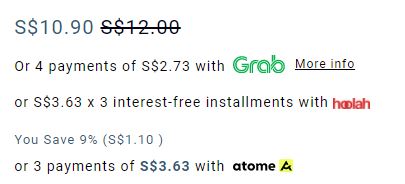
Buy Now Pay Later (BNPL) is a payment method that allows consumers to purchase items and receive items immediately and pay over a a few monthly instalments, usually 3 or 4 months. Unlike a loan, consumers do not need to pay any interest and the additional fees are charged to the merchant. If payments are due and not paid in time, a late fee of usually 15 to 30 dollars is charged to the consumer.
If consumers are not being charged interest, who is bearing the cost? The merchants offering BNPL are bearing the cost and this is often higher than credit cards and other payment methods. The higher cost is due to the increased risk that the provider has to take to collect outstanding payments from consumers.
The concept of offering interest free loans is not new. It has been offered by banks for years and is sometimes referred to as instalment payment plans. In addition, Klarna, one of the pioneers of the current BNPL concept was started in Sweden in 2005.
A similar concept called invoice factoring has also been offered by banks to corporate clients, allowing them to better manage their cash flow. Companies can sell their outstanding invoices (aka account receivables) to banks to receive cash upfront (minus the discount earned by the banks) instead of waiting for 30/60/90 days depending on the collection period.
Benefits and Downsides
Consumer

Consumer here refers to the end customers (like you and me) purchasing items from e-commerce stores or from offline retail stores.
Pros:
- Does not have to pay anything upfront to receive the product immediately.
- Able to spread our payments over a period of time without incurring interest.
Cons:
- Increased temptation to purchase items that are not necessary or above budget.
- Difficult to initiate a chargeback since credit card payments are made to the BNPL provider instead of the store providing the goods.
- Does not contribute to credit scores in some countries.
Merchant
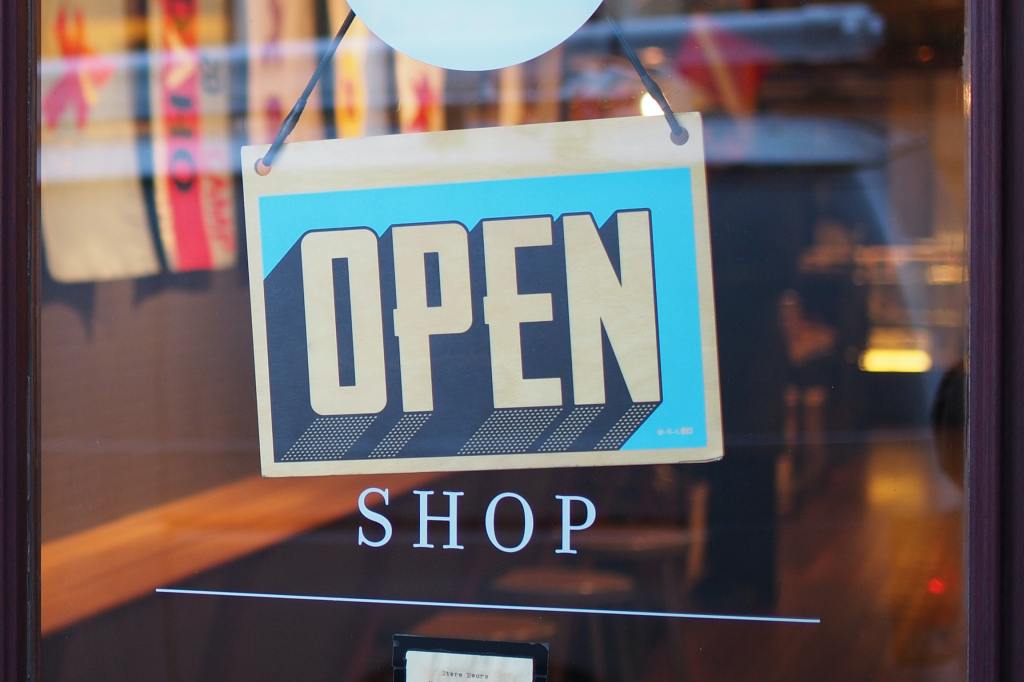
Merchant refers to stores or brands selling merchandise at either an online site or offline retail outlet. Examples include Nike, ASOS, and Sephora.
Pros:
- Increased spending due to larger shipping carts, lower abandonment rates.
- Higher conversion rates as consumers can get the product immediately.
- Increased referral traffic from BNPL providers as they commonly have their own online store directory and social media presence.
Cons:
- Higher cost compared to other payment methods.
- Logos and price dividers from BNPL players might dilute the merchant’s own branding.
BNPL Provider
BNPL provider refers to the payment company offering BNPL services to merchants and consumers. Some examples are Klarna, Afterpay, and Affirm.
Pros:
- Higher revenue from BNPL compared to traditional payment methods like credit cards or digits wallets.
- Does not require a lending license in most countries to operate.
- Perceived as a fintech and more convenient compared to traditional banks.
Cons:
- Increased risk as consumers may default and the provider maybe have to engage in collection services and/or accept the loss. A robust credit risk model is required to alleviate the risk.
- Highly reliant on traditional payment methods such as credit and debit cards, digital wallets.
Third Party Provider

BNPL providers may often choose to scale via third party providers like Stripe and Adyen.
Pros:
- Wider variety of payments methods including BNPL which may attract more merchants to their platform.
- Increase in revenue due to the higher cost of BNPL charged to merchants.
Cons:
- Increased support and coordination required with the BNPL provider.
- May add additional workload to account managers and operations as BNPL is more than a payment method. It could require extra effort to get merchants to install price divider tools or include FAQs on their stores.
Moving Forward
As BNPL gets more popular in the market, it may also invite more scrutiny from regulators and an increase in competition from banks and other fintech companies.
BNPL companies do not currently require a lending license and this may change as governments begin to regulate the sector. In order to irresponsible spending by consumers, regulators may require BNPL players to connect to credit bureaus or a central system to consolidate debt information of consumers. This ensures that consumers are not taking on more debt than they can afford.
Payment providers like PayPal and banks like DBS are also providing their own BNPL solutions to compete. Banks may have an advantage here as it would mean that consumers would not need to download a separate app to make BNPL payments and another banking app to pay their credit card bills.
BNPL providers rely on traditional payment methods like credit cards and this could be a potential risk. Credit and debit cards may choose to remove miles or cash back for BNPL payments, similar to how they have removed them for digital wallets.

Despite some of these potential challenges in the industry, if BNPL players are able to overcome them, they will definitively be a solid contender as BNPL offers a differentiated user experience to both consumers and merchants.

 Chan Jing Wei