
Payment fees are usually paid by merchants and is known as the merchant discount rate (MDR). It consists of 3 main components – the interchange, assessment fee, and markup (or acquirer fee).
These fees may vary depending on certain factors such as countries, payment modes (online, POS, QR codes, etc.), merchant category codes (MCC), etc.
There are 3 main players in the payments chain – issuer, network and acquirer. How do these different players earn money?
Issuer

The issuer is usually the card issuing bank (such as Citibank, HSBC and DBS) in the case of credit or debit cards and the payment service provider (such as GrabPay, GoPay and Alipay) in the case of e-wallets.
When a payment is made, a portion of it goes to the issuer for ensuring that the customer has sufficient funds or credit limits. This is called the interchange and is usually non-negotiable.
In addition, the issuer also earns from late fees charged to customers who do not pay their bills on time.
Network
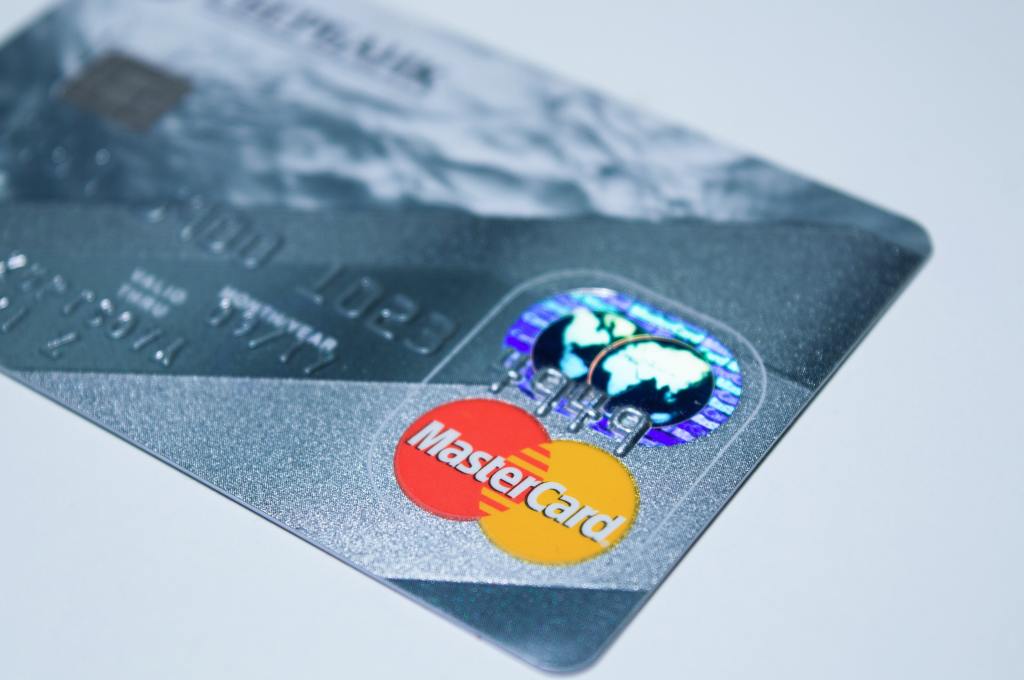
In the case of credit and debit cards, this is usually the credit card network such as Visa, Mastercard and UnionPay. For e-wallet providers, this is the payment service provider since they are both the issuer and the network.
The networks earn money from assessment fees, which are fees charged for processing the credit card/e-payment transactions of the merchant.
In the case of international or cross-border transactions, there might be an additional cross-border charge levied by the intermediary bank (in the case of SWIFT payments) or the gateway (e.g. TransferWise) for facilitating the transaction.
Acquirer
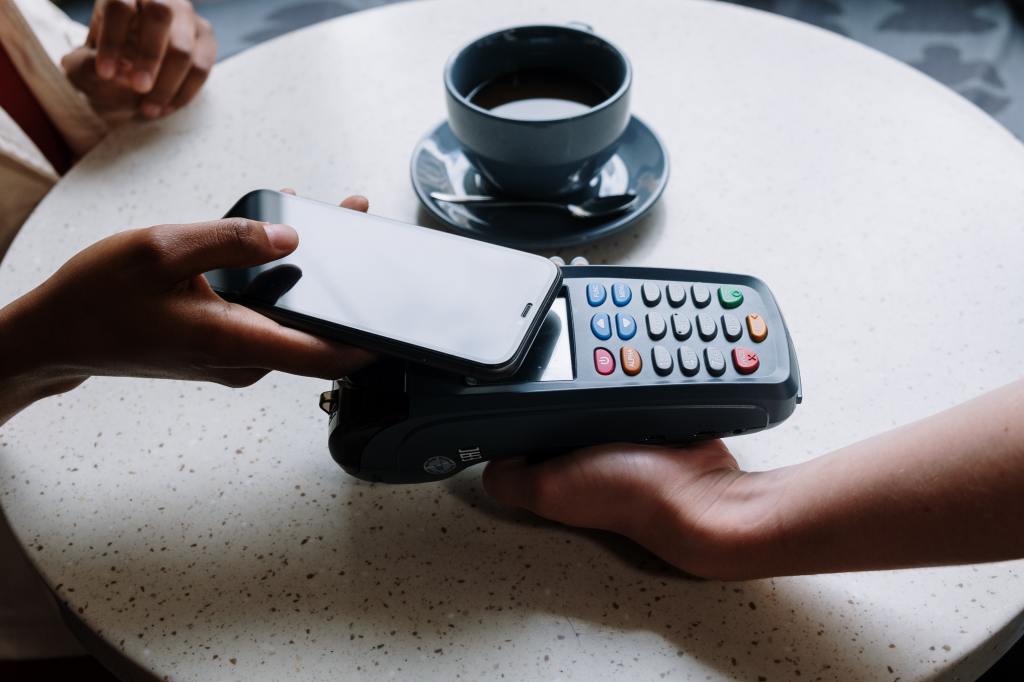
The acquirer is the party that acquires and onboards the merchants onto the network. This is normally done by the acquiring bank or a third party acquirer (like First Data, Stripe, Adyen, etc.). In certain cases, this might be multiple parties if the acquirer is separate from the gateway.
A markup is usually paid to the acquirer for authorizing the payment as well as additional services such as settlement, customer support, technical support, etc.
E-wallet providers
What about e-wallet providers who are issuer, network, and acquirer combined? In this case, these e-wallet providers will earn the entire MDR from the merchants or less the markup if they are using a third party acquirer (TPA).
The amount earned from e-wallet providers will be the MDR minus the cost of funds, which is the cost incurred when the customer tops up the wallet

 Chan Jing Wei