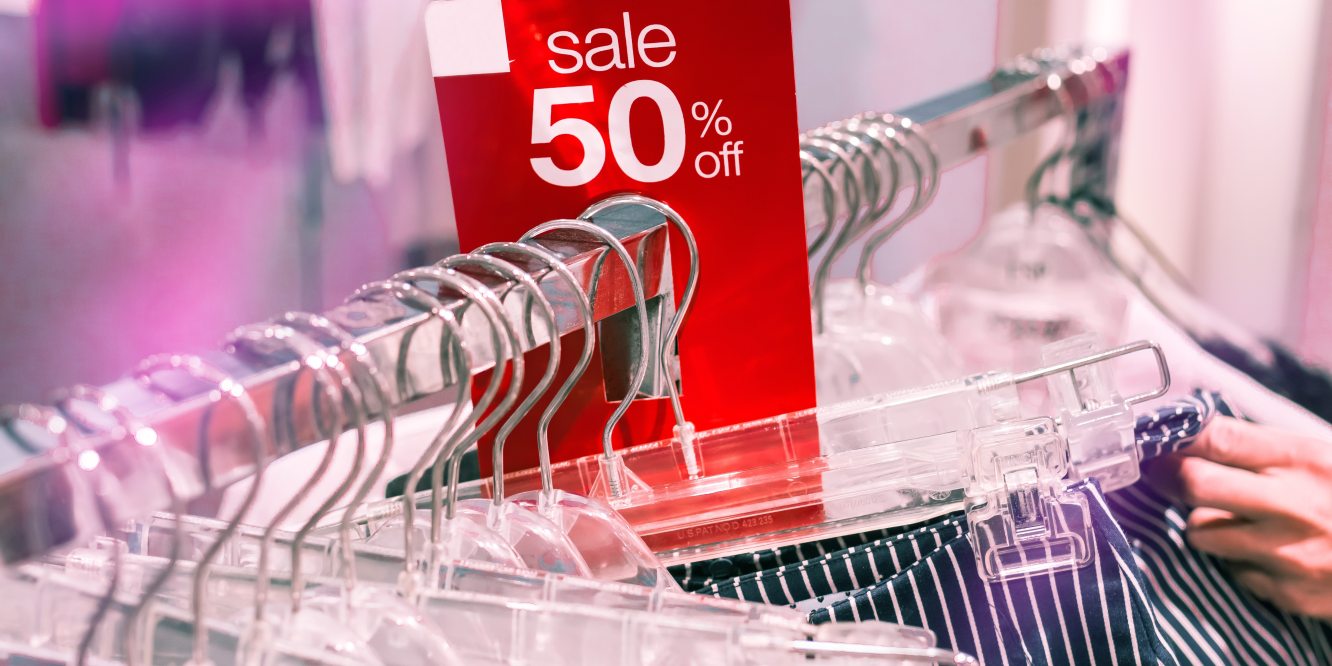
With so many E-commerce sites and sales, how can we ensure that we are getting the best bang for our buck? Here are the various types of discounts, vouchers, and promo codes that can be applied to get the lowest price for what we purchase.
Flat discount
The simplest way to get the best price is to look at the discount from the selling price and suggested retail price (SRP).
Seller promotions
Some sellers may have promotions such as bundling or discounts when you purchase more. Some examples are:
- Bunding – Buy certain products together to get a discount.
- Free gift – Buy a product or $X value of products to get a free gift or Buy one get one free.
- Conditional promos – Buy more products to get more discount.
- Wholesale price – Buy a certain quantity of a product to get lower prices.
- Free shipping – Purchase above a certain threshold to qualify for free shipping.
The above examples can also be applied to the platform level, for example, free shipping if you purchase above a certain amount on the platform.
Seller vouchers
On certain E-commerce platforms, sellers can also issue vouchers to entice consumers to purchase more on their shops. For example, if the average price of an item is $10 on the shop, they could have a discount voucher with a condition of $15 minimum spend in order to entice customers to purchase more and increase their basket size.
Usually, these vouchers can either be collected directly from the seller’s shop front on the platform, through other mechanics like games or live stream, or as a re-visit voucher.
Platform vouchers
E-commerce platforms can also offer vouchers to increase overall spending on the platform. This usually applies across the whole platform and may sometimes be category or brand specific.
Usually, these vouchers are available during large sale events like Black Friday and 11.11 sales.
Banking promotions
Paying with certain credit cards or payment modes may also offer discounts. These promotions are usually funded by the banks in order to increase usage of their payment products.
These promotions usually take the form of vouchers or promo codes which can be applied at checkout.
Partner promotions
As E-commerce platforms become more ubiquitous, partners may want to leverage on the platform’s reach to increase their exposure.
For example, an offline bubble tea shop may want to increase its exposure on the E-commerce platform by providing a promo code whenever someone buys a cup of tea at their retail outlet. On the other hand, there will also be banners or emails from the E-commerce platform informing their customers of this offer.
This is a win-win for both parties as they are able to leverage on each other’s customers to increase traffic to both parties. This will become increasingly more common as the barrier between offline and online is getting blurred.
Cashback/Rebates
Lastly, cashback and rebates can also be a way to reduce the price paid. These come in three forms – external, platform specific, and seller specific.
- External cashback refers to cashback earned from cashback sites like Ebates and Shopback. The cashback is given to you on the cashback sites and can be cashed out to your bank accounts.
- Platform specific cashback and rebates refer to those that can only be reused on the platform. For example, when you get a rebate of $5, you can only utilize it on your next purchase on the same platform. Some examples include LiveUp rebates on Lazada, Shopee coins on Shopee.
- Seller or merchant specific cashback refers to cashback that can only be used at the specific seller or merchant. An example is merchant cashback from Fave.
Moving forward
E-commerce platforms are always coming up with newer ways of engaging customers and the list above is sure to increase. As these mechanics become more common, other online platforms like online travel booking, food delivery, and ride hailing may also start to include these to engage and retain customers.

 Chan Jing Wei